Protecting Your Pipes During Cold Virginia Winters
Why Pipes Freeze
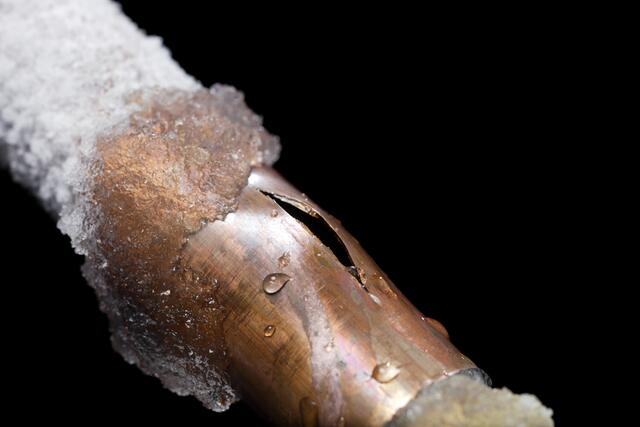
When temperatures drop below freezing, water inside exposed pipes can freeze, expand, and rupture the pipe. This often happens in unheated areas like attics, crawl spaces, basements, or outdoor spigots.
How to Protect Your Pipes
-
Insulate vulnerable pipes: Foam insulation is inexpensive and easy to install. Focus on basements, crawl spaces, and exterior walls.
-
Disconnect garden hoses: Water left inside hoses or outdoor spigots can freeze and back up into your home’s plumbing.
-
Let faucets drip: On especially cold nights, allow a small trickle of water to run. This relieves pressure inside the pipes.
-
Seal drafts: Cold air seeping into basements or crawl spaces can put pipes at risk. Caulk or insulate around gaps and cracks.
Signs of Frozen Pipes
-
No water flow when you turn on the faucet
-
Frost or condensation on the outside of pipes
-
Strange smells coming from drains or faucets
If you suspect a frozen pipe, call a professional right away—thawing incorrectly can cause more damage.
JR Snider’s Winter Plumbing Check
Our team offers preventative inspections to help homeowners avoid frozen pipe disasters. We’ll evaluate your system, insulate exposed pipes, and ensure your plumbing is ready for whatever winter brings.
📞 Schedule your winter plumbing check with JR Snider today and stay warm, safe, and stress-free all season long.